30 Stories for 30 Years

The Evolution of Historical Interpretation
Museums have always used objects to interpret history. While the events of the past do not change, what we know about them and how we understand them are constantly evolving. Interpretations of the past focused on the politicians and military leaders who gained near-mythic fame for their roles in historic events. This approach to history excludes the vast majority of the people who contributed to the foundations of the American nation and is often incomplete or misleading.
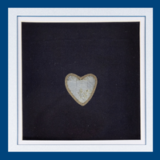
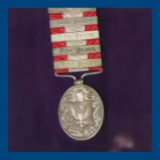
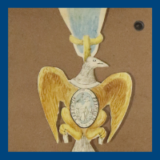
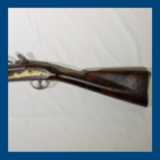
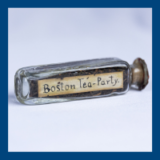
As 2021 marks the 30th anniversary of the American Independence Museum, we are taking this opportunity to examine our interpretations of the past and introduce a 21st century view of ten historic items in our collection. Each item presented includes a traditional interpretation and a contemporary interpretation to highlight the ways our understanding of history has evolved over time, placing the focus on not only the men who became legends in American history, but Americans whose histories are just as significant, but have not always received equal recognition. We hope that this exhibition will show you how one object can tell many different stories.
The objects in this exhibition were chosen by their connection to a singular donor, Society of the Cincinnati member William Lithgow Willey. As we examine the last three decades of the American Independence Museum, we recognize that much of our collection and work would not be possible without Willey’s contributions.
William Lithgow Willey (1857-1949) was a civil engineer and member of the Society of the Cincinnati. The Society of the Cincinnati is America’s oldest veterans’ organization and the current owners of the American Independence Museum. Willey led a successful effort to revive the Society following decades of dormancy and became a member in 1902. He represented his ancestor Major William Lithgow, who was a Massachusetts officer during the American Revolution and an original Society member. Willey was a key figure in establishing the Society’s headquarters at the Ladd-Gilman House in Exeter, New Hampshire in 1902. The Ladd-Gilman House served as the Society’s headquarters until 1991, when it became part of the American Independence Museum.
Willey was committed to historic preservation and he collected historic objects throughout his life. Willey never married and had no children. When he died, on George Washington’s 217th birthday, February 22, 1949, he bequeathed much of his estate to the Society of the Cincinnati, adding many historic items to the Society’s collection that are now exhibited at the American Independence Museum. Willey’s dedication to history contributed to the preservation of the Ladd-Gilman House, which celebrates its 300th anniversary in 2021.
The American Independence Museum would like to thank Society of the Cincinnati in the State of New Hampshire Assistant Secretary and Membership Chairman Christopher Challender Child for his invaluable assistance in research for this exhibit and his steadfast support for the museum and its mission.Address
1 Governor’s Lane
Exeter, NH 03833
Get Directions
Museum Hours
May – November
(pre-registration is required)
Wed-Sat: 10am – 4pm
Contact Us
(603) 772-2622
[email protected]