I joined the board five years ago and am currently in the second year of my second term. I’ve always been a community activist, believing in individuals enhancing the quality of life and doing what they can for the community. I also have a lifelong interest in history, having served on the board of Historic Salem in the 1970s and on Exeter’s Historic District Commission for 13 years. When I was approached by a current board member to join, it felt like a great opportunity to contribute to educating the next generation about our history, especially in today’s politically divided climate. AIM does a wonderful job of bringing revolutionary history to life and helping visitors understand its relevance today.
I’m inspired by the incredible stories of everyday people who stepped up during the Revolutionary War era, risking their livelihoods to help found our nation. AIM brings that history to life, showing the sacrifices and struggles of responsible citizens and activists. In today’s world, I believe we are again challenged to step forward and defend democracy. The museum plays a crucial role in educating people, particularly the next generation, about the importance of preserving this form of government that was created through great effort.
What aspects of history have you discovered or learned more about through your involvement with AIM?
One of the most eye-opening aspects has been learning about slavery in the northern colonies and the role women played in major historical events. As more museums and historians delve into these areas, we are uncovering stories that have been overlooked. It’s important to tell these stories so people can see themselves in history, regardless of their background. We are a diverse nation, and sharing these stories helps communicate that we are all part of our history, lineage, and legacy.
Can you share a personal story of how you’ve introduced people to AIM and what impact it had?
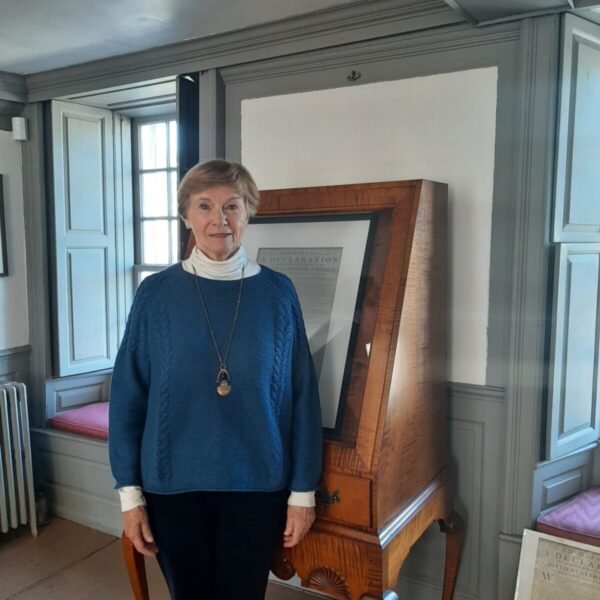
Just last night, I was at a fundraiser for a fine crafts store in Exeter, and I spoke with some people from Rye who had never been to AIM. I told them about the museum’s unique artifacts, including the state’s original broadside and handwritten notes on the Constitution. Standing in front of these documents brings history to life—you can see the people who lived in that house and played significant roles in our nation’s history. I encouraged them to visit and be a part of this rich legacy.
What do you see for the future of AIM, and how does the board contribute to its growth?
I see a strong future for the museum. We now have a very active board, and we are in the process of developing a new strategic plan that will further our mission of bringing history to life. The museum is an active place, offering educational opportunities for both kids and adults and hosting joyful events like the annual festival. We are working to ensure the museum continues to thrive for many years to come, preserving its legacy and educating future generations.
What message do you hope visitors, especially younger generations, take away from the museum?
I hope visitors come to see that historical figures weren’t a different category of person—they were like us. The message we want to convey is that we all have the potential to make a difference. By telling these stories, we encourage people, especially the younger generation, to take pride in democracy, understand their role in history, and step up in their own lives to make the world a better place. Democracy is a living thing, and we need caretakers of it across time.